

Relocating from the UK to Germany can be one of life’s most exciting steps — whether for work, retirement, family, or a fresh start. But an international move brings plenty of logistics and planning. From paperwork and packing to customs and removals, it’s important to stay organised.
This removals checklist will help ensure you’re fully prepared before you make the big move — with tips tailored specifically for those relocating from the UK to Germany.
1. Check Visa and Residency Requirements
Post-Brexit, British citizens are no longer entitled to freedom of movement within the EU. If you’re planning to live in Germany for longer than 90 days, you’ll need the appropriate visa or residence permit.
To-do:
- Determine your eligibility based on your purpose for moving (work, family reunification, study, retirement, etc.).
- Prepare your visa application before departure.
- Once in Germany, register your residence with the local authority (Anmeldung) as soon as possible.
Allow plenty of time for visa processing and be sure to keep copies of all relevant documentation.
2. Finalise Housing Arrangements
Finding somewhere to live in Germany ahead of time can remove a great deal of stress. If that’s not possible, consider short-term rentals while you find your ideal property.
Top tips:
- Familiarise yourself with the German rental market and tenancy terms.
- Many properties come unfurnished — sometimes without even basic kitchen appliances.
- Ensure your accommodation meets registration (Anmeldung) requirements.
Once you’ve found a place, keep a copy of your lease or purchase contract handy for registration and banking purposes.
3. Gather and Organise Key Documents
An international move requires various documents — both for legal purposes and for your removals company to clear customs on your behalf.
Essentials include:
- Valid passport
- Visa or residence permit (if applicable)
- Proof of address in Germany (e.g., tenancy agreement)
- Detailed inventory of items being moved
- Any relevant customs forms
- Birth/marriage certificates, driving licence, and insurance policies
It’s wise to keep both printed and digital copies accessible during your move.
4. Declutter and Create an Inventory
Moving overseas is an opportunity to reassess what you actually need. The less you bring, the cheaper and easier your move becomes — especially when customs clearance is involved.
Checklist:
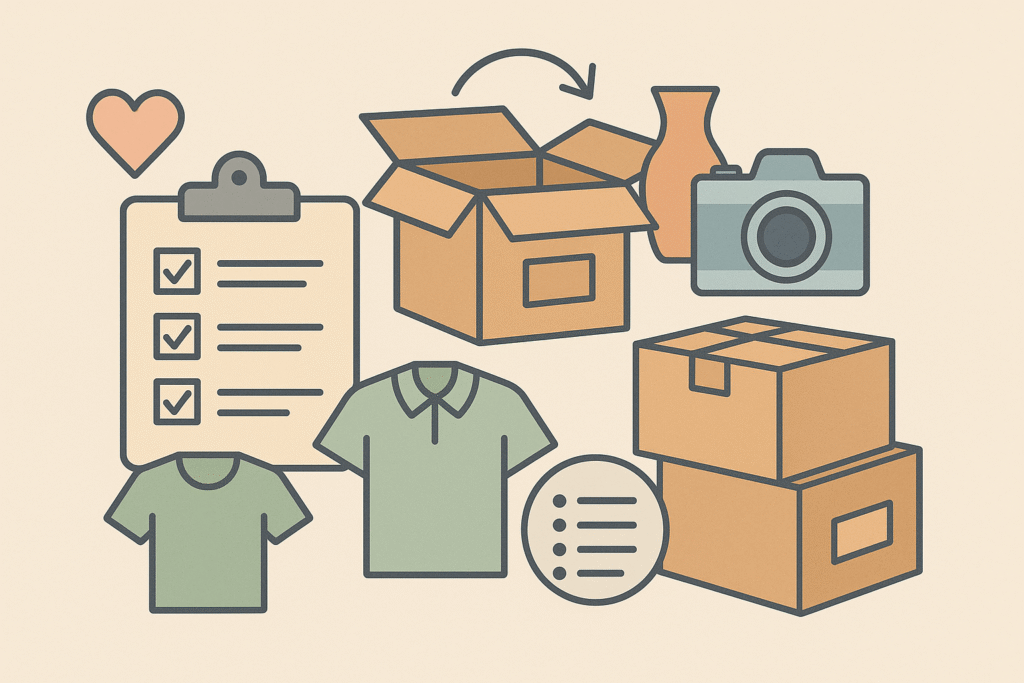
- Sort items into ‘keep’, ‘sell’, ‘donate’, or ‘discard’.
- Create a full inventory of the items you’re taking.
- Photograph valuable or delicate items in case of loss or damage.
- Label boxes with clear descriptions for easy unpacking and customs declarations.
An accurate inventory is also crucial if you’re applying for duty-free import of personal goods under transfer-of-residence relief.
5. Arrange Your Removals with Us
-
- Expert packing and export wrapping to protect your items
- Door-to-door delivery anywhere in Germany
- Assistance with all necessary customs paperwork
- Options for short- or long-term storage if required
- Full goods-in-transit insurance for peace of mind
6. Make Arrangements for Pets
Bringing your pets to Germany? There are specific travel requirements to meet, and they can take time to organise.
You’ll need to:
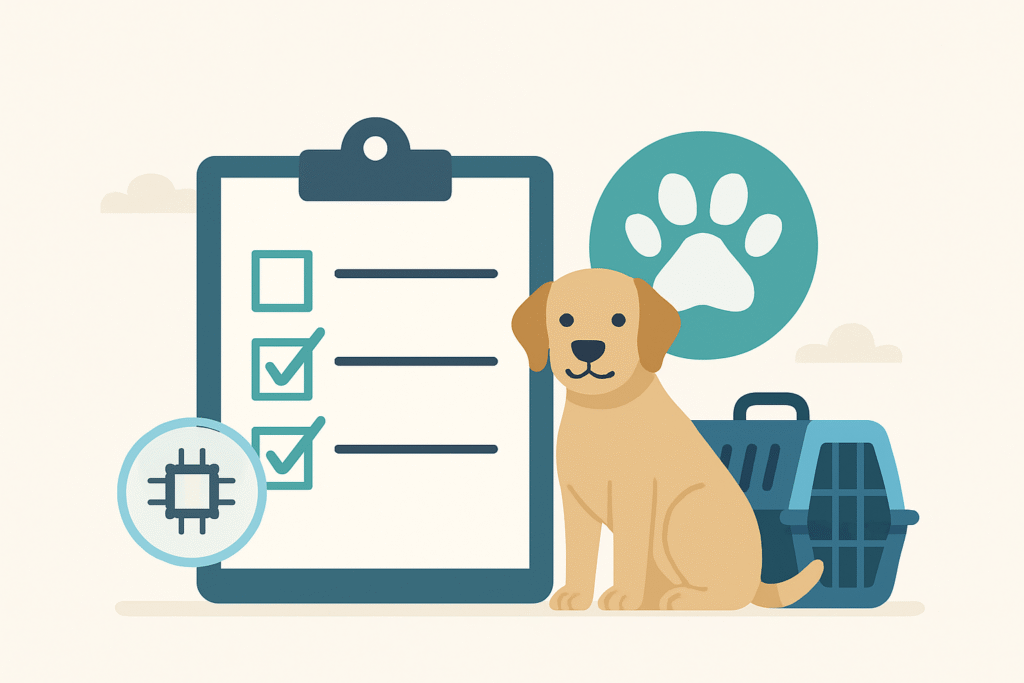
- Ensure your pet is microchipped.
- Have an up-to-date rabies vaccination.
- Obtain a valid pet travel certificate shortly before departure.
- Arrange approved travel crates or pet courier services if necessary.
Check if your removals provider can help coordinate pet transport as part of your move.
7. Notify UK Authorities and Service Providers
Before you leave, make sure to inform the relevant organisations and cancel or update your services.
To-do list:
- Notify HMRC, the DVLA, your local council, and any benefit agencies.
- Cancel or redirect your utilities, broadband, and subscriptions.
- Set up Royal Mail redirection for your post.
- Inform your bank and GP of your new address (if applicable).
Keep a record of these changes, as they can be important for tax, insurance, and pension purposes later on.
8. Research Healthcare Options in Germany
Germany has a dual healthcare system comprising public and private insurance. Health insurance is mandatory, so you’ll need to be covered from the moment you become a resident.
Things to consider:
- Understand whether you’ll be eligible for public healthcare through your employer.
- If not, research private health insurance providers.
- Bring enough of any current prescription medications to cover the first few months.
- Gather medical records and vaccination history, especially if you’re moving with children.
9. Sort Your Finances and Banking
Banking procedures differ from country to country, and setting up your financial life early will make settling in far easier.
Checklist:
- Notify your UK bank that you’re moving abroad.
- Set up online banking access in advance.
- Consider opening a German bank account.
- Research international money transfer services for ongoing expenses.
- Review your pensions, savings, and investments to see how they’ll be affected by your move.
Ready to Make the Move?
Relocating from the UK to Germany doesn’t have to be overwhelming. With the right planning — and the right removals partner — your move can be smooth, efficient, and stress-free.
Let us take care of the logistics so you can focus on your fresh start.
 Expert support with packing, customs, and transport Fully insured, door-to-door European removals Flexible storage options available
Start your journey today — visit our Removals UK to Germany page for a free, no-obligation quote and personalised advice. We’re here to help you every step of the way.