
Moving between the UK and Spain is an exciting step, but it also comes with challenges that can quickly turn stressful if not handled properly. From paperwork to packing, small oversights can lead to delays, unexpected costs, or even damaged belongings. Understanding the most common mistakes people make when planning Spain removals can help you avoid unnecessary complications and keep your move on track.

Underestimating the Paperwork

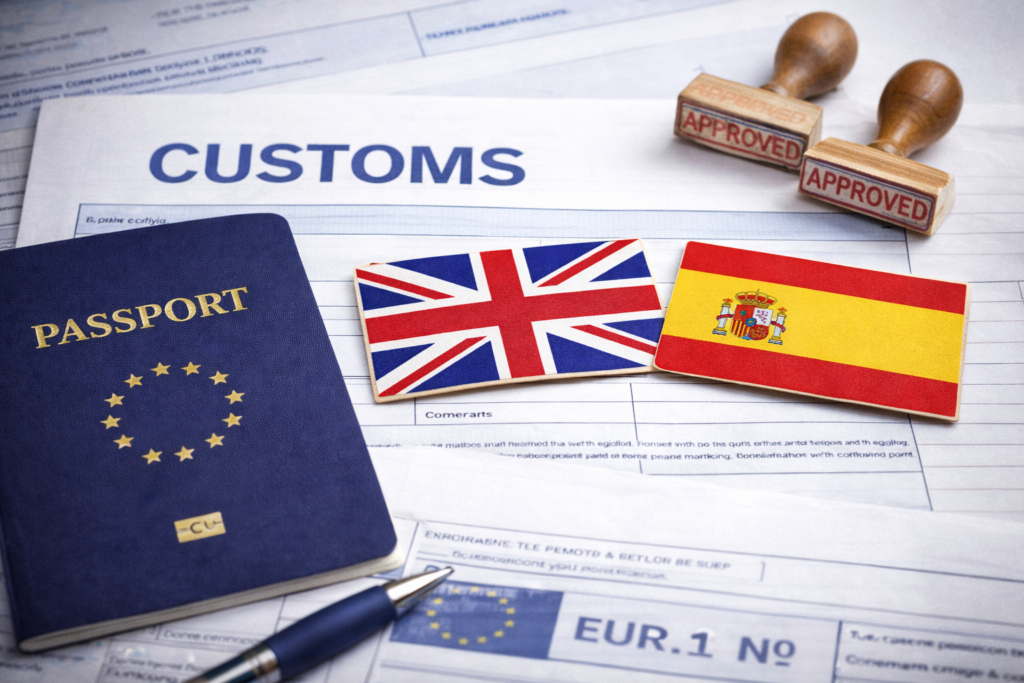
One of the most frequent issues people face is not fully understanding the documentation required for an international move. Since Brexit, transporting household goods between the UK and Spain involves additional customs processes, including inventory lists and proof of residency.

Failing to prepare these documents correctly can lead to delays at customs or even additional charges. It’s important to understand what is needed well in advance and to double-check everything before your move. Having guidance from an experienced removals company can make a big difference here, helping you understand exactly what’s needed.
Trying to Do Everything Yourself

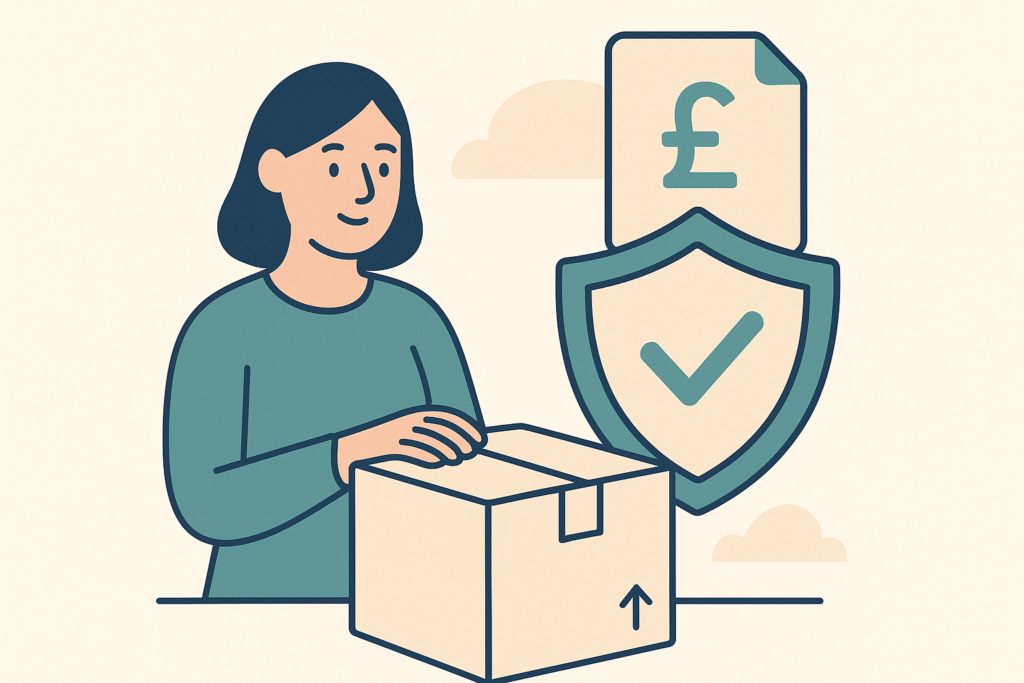
It can be tempting to manage your move independently to save money, but this often leads to more stress and risk. International removals involve long-distance transport, careful packing, and navigating customs procedures.

Without the right experience, items can be poorly packed or incorrectly documented, increasing the likelihood of damage or delays. A professional removals service brings experience, proper equipment, and a structured process that helps avoid these issues.

Leaving Packing Until the Last Minute

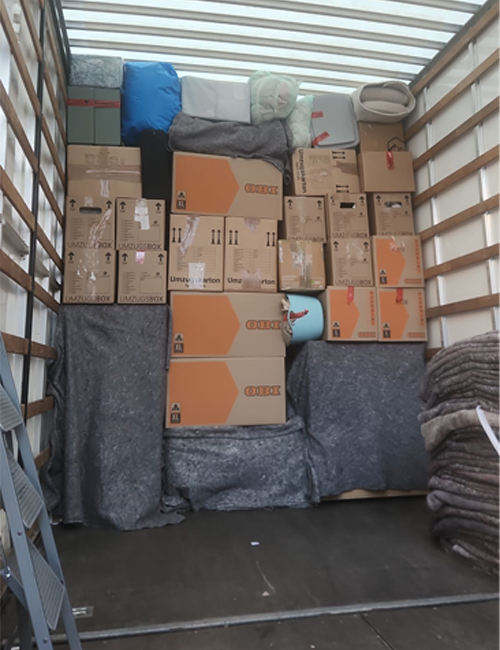
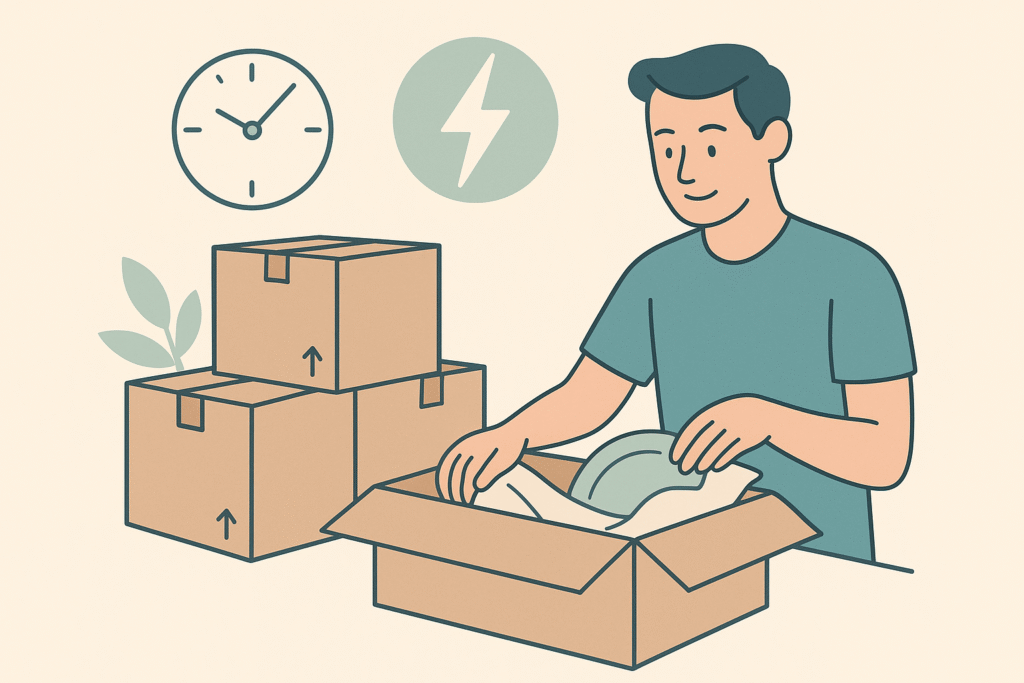
Packing often takes longer than expected, particularly for international moves. Many people underestimate how much time and organisation is required, leading to rushed packing just days before the move.

This can result in poorly protected items, disorganised boxes, and even lost belongings. Fragile items and furniture require proper materials and careful handling, which is difficult to achieve when you’re short on time. Planning ahead or using a professional packing service can make a significant difference.
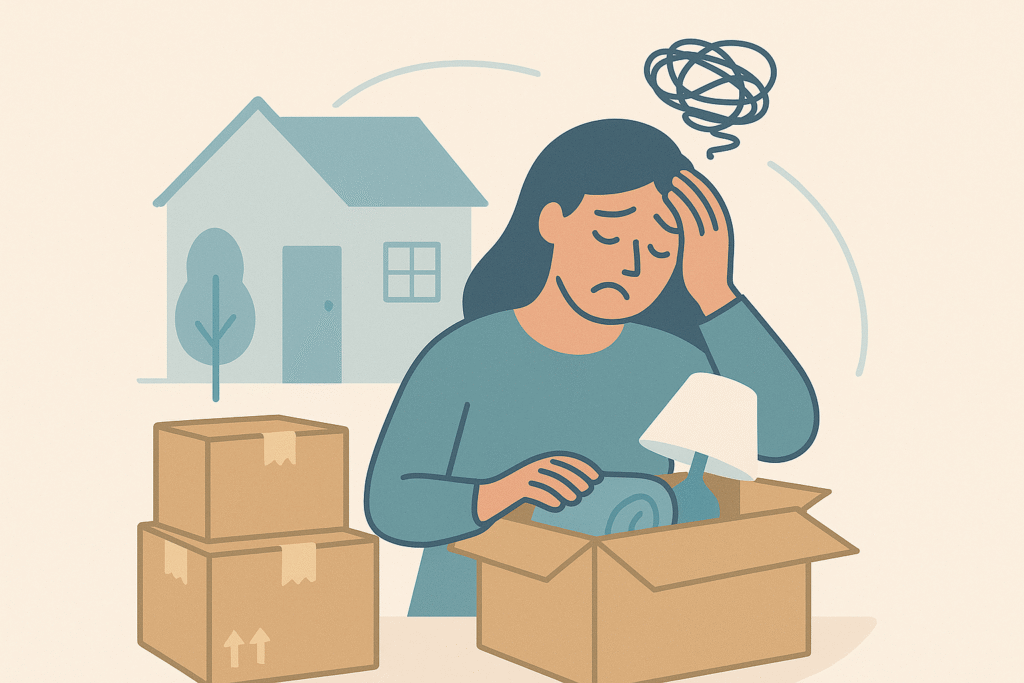
Not Decluttering Before the Move

Another common mistake is taking everything with you without reviewing what you actually need. Shipping unnecessary items increases the volume of your move, which directly impacts the cost.

Moving to Spain is a great opportunity to declutter. Selling, donating, or disposing of items you no longer use can reduce both costs and unpacking time at your new home. It also makes the whole process feel more manageable.

Poor Packing and Protection

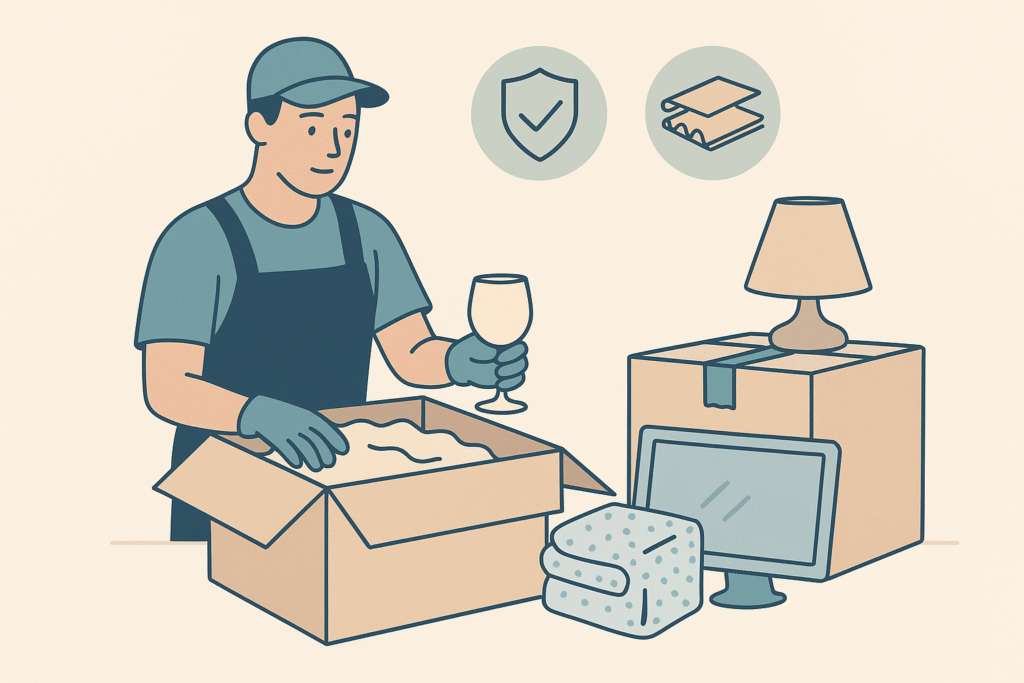
Packing is more than just putting items into boxes. One common mistake is underestimating how important proper packing materials and techniques are, especially for a long journey to Spain.

Using low-quality materials or rushing the process can result in damaged belongings. Fragile items, furniture, and valuables all require specific handling. Taking shortcuts here often leads to regret once your items arrive. Investing in a professional packing service can make a significant difference in protecting your possessions.

Not Accounting for Access and Logistics

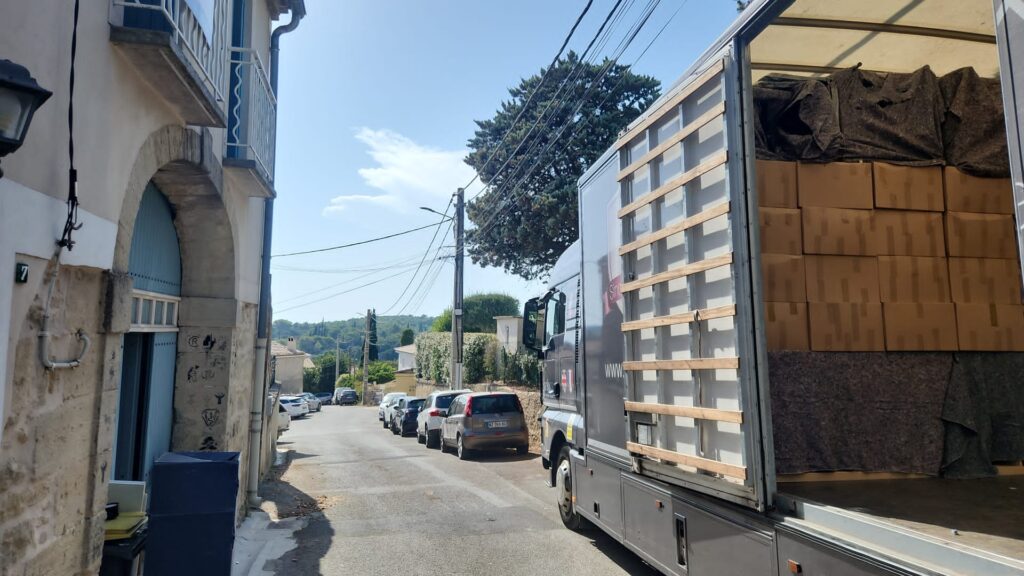
Another common oversight is failing to consider access at both the collection and delivery addresses. Narrow streets, limited parking, or apartment buildings without lifts can all affect how your move is carried out.

Without proper planning, this can lead to delays or additional costs on moving day. Discussing these details in advance allows your removals company to prepare the right equipment and approach for your specific situation.

Make Your Spain Move Simple

Avoiding these common mistakes can make a significant difference to how smoothly your move to or from Spain goes. With the right preparation and support, the process becomes far more manageable and far less stressful.

If you’re planning a move, speak to Franklins Removals today. Our experienced team can guide you through every stage, from initial planning to final delivery, helping you move with confidence.
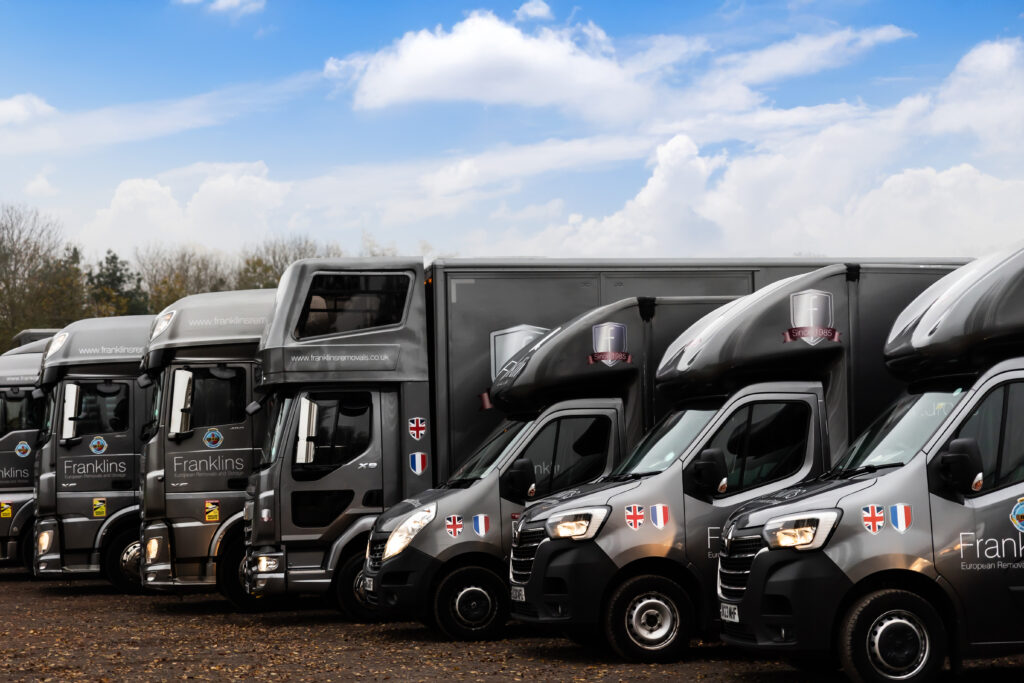
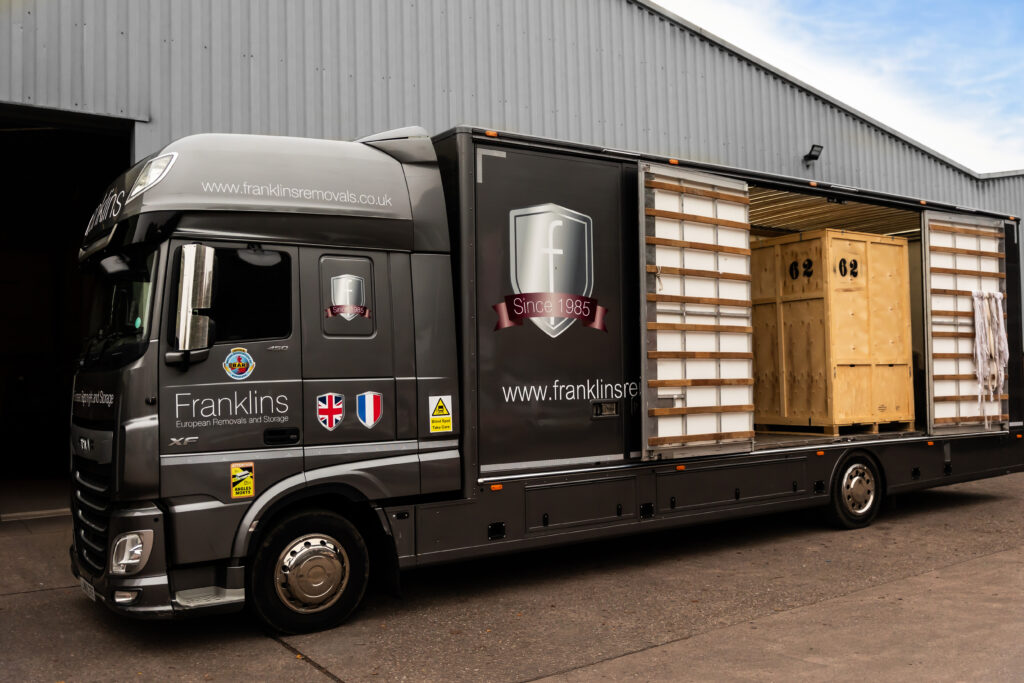
Moving to a new home, especially internationally, can be one of the most exciting yet stressful experiences. While the idea of saving money by handling your move yourself may seem appealing, it often leads to more challenges than anticipated. Choosing a professional moving company like Franklins Removals offers benefits that make the process smoother, safer, and more efficient.

Handling the Complexities of International Moves

Moving abroad involves more than just packing and transporting boxes. International relocations require dealing with customs regulations, paperwork, and legal requirements that vary between countries. Trying to navigate these complexities alone can result in delays and costly mistakes. Franklins Removals has the experience and expertise to manage all the necessary logistics, including customs clearance and regulatory paperwork, ensuring that your move goes smoothly and without hassle.

Saving Time and Reducing Stress

Packing, sorting, and organizing your belongings for an international move is time-consuming. At Franklins Removals we offer a complete packing service, which saves you significant time and effort. We take care of everything from packing your items securely to loading and transporting them, allowing you to focus on other important aspects of your move, such as adjusting to your new home. With professionals handling the details, you can avoid the stress and uncertainty that often comes with managing a DIY move.

Ensuring the Safety of Your Belongings

One of the biggest concerns when moving is ensuring that your belongings arrive in one piece. In a DIY move, there’s always a risk of damage, particularly when transporting fragile or bulky items. Franklins Removals uses high-quality packing materials and professional-grade equipment to protect your items throughout the journey. Our team is trained in packing techniques designed to keep your belongings safe and secure, reducing the likelihood of damage during transit.

Transparent Pricing with No Hidden Costs

Although a DIY move may seem like the more affordable option, the costs can quickly add up. Rental trucks, fuel, insurance, and packing materials can all contribute to unexpected expenses. Additionally, you may encounter hidden costs, such as damage to your belongings or the need for extra help on moving day. Franklins Removals provides clear and upfront pricing, ensuring that there are no surprises along the way. With a professional moving service, you can budget accurately and avoid the hidden costs often associated with DIY moves.

A Smooth Transition to Your New Home

Moving abroad isn’t just about transporting your possessions; it’s about starting a new chapter in your life. A professional moving company like Franklins Removals helps make this transition easier. From managing the logistics to offering support during your move, we ensure that everything is taken care of so you can focus on settling into your new environment. With our experience in international moves, we provide the peace of mind you need to begin your new adventure without worrying about the complexities of relocation.

Contact Us Today for a Stress-Free Move

At Franklins Removals, we specialize in making international relocations as smooth and stress-free as possible. From the moment you contact us, we handle everything involved in your move, giving you the freedom to focus on settling into your new home. Don’t let the challenges of moving overwhelm you, get in touch today or explore our European removals services to see how we can support your move and take the pressure off your shoulders.

When planning a home or office move, storage often becomes part of the conversation. Delayed completion dates, downsizing, or moving abroad can all create a gap between leaving one property and settling into another. This is where professional storage services come in. Understanding the difference between short-term storage and long-term storage can help you choose the most practical and cost-effective option during your removal.

What Is Short-Term Storage During a Removal?

Short-term storage is typically used for brief periods, usually from a few days up to several weeks. It’s common when there’s a mismatch between moving out and moving in dates, or when access to a new property is temporarily delayed.

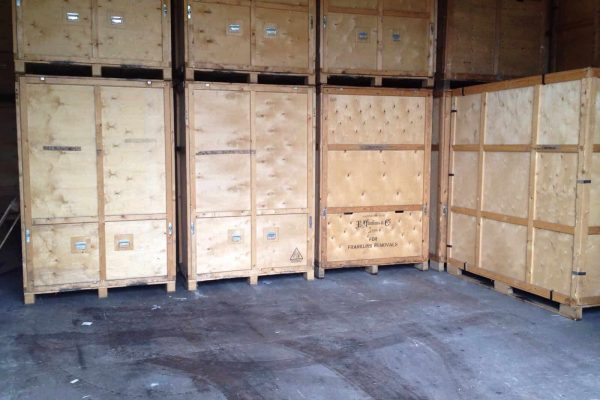
During a removal, items are often collected, professionally packed, and placed into secure storage without being unloaded unnecessarily. This reduces handling and helps protect your belongings while they’re in transit between homes.

Short-term storage works well if:

  • Completion dates don’t line up
  • You’re waiting for keys or final paperwork
  • Renovation work is still underway
  • You need flexibility during a busy moving schedule

Because the storage period is short, access may be limited, but the focus is speed, convenience, and keeping your move on track.

What Is Long-Term Storage in a Moving Scenario?

Long-term storage is designed for situations where items need to be stored for months or longer. This is often the case during international relocations, extended travel, downsizing, or when moving into temporary accommodation.

In a removal context, belongings are packed for durability rather than quick turnaround. Furniture may be wrapped for extended protection, and boxes are labelled for inventory control rather than rapid unloading.

Long-term storage is commonly chosen when:

  • You’re moving abroad or returning later
  • You’re downsizing but not ready to part with belongings
  • You’re between properties for an extended period
  • You want to store items you don’t need immediate access to

This option prioritises stability, security, and preservation over speed.

NA7

Key Differences That Matter During a Move

The main difference between short-term and long-term storage during removals is not just time, but how the service fits into your overall move.

Short-term storage is closely tied to the removal itself. Items are loaded, stored briefly, then delivered as soon as the property is ready. Long-term storage is more detached from the move, often requiring more planning around access, inventories, and delivery scheduling later on.

Cost structures can also differ. Short-term storage is usually priced with removals in mind, while long-term storage may be calculated monthly and designed for extended stays.

Which Option Is Best for You?

Choosing the right storage option depends on clarity around your moving timeline. If you have firm dates and only need breathing room during the transition, short-term storage is usually the most practical choice. If your plans are uncertain, or you won’t need your belongings for some time, long-term storage offers peace of mind.

At Franklins Removals we can talk through your plans and recommend the most suitable approach based on your move, not just the storage duration.

Storage - 2

Storage as Part of a Professional Removal Service

Using storage through an experienced removals provider like Franklins Removals means your belongings stay within one managed process. There’s no need to hire separate transport, arrange multiple unloads, or move items between facilities unnecessarily.

This joined-up approach reduces handling, limits disruption, and keeps your move organised from start to finish.

Ready to Plan Your Move with Storage Included?

Whether you need short-term storage to bridge a gap or long-term storage as part of a bigger relocation, having the right storage arranged alongside your removal can make the process far more manageable. Franklins Removals can advise on the most suitable option and organise everything as part of one coordinated service.

If you’d like to learn more about how storage can work alongside your move, visit our storage page or contact our team today to discuss your requirements and request a tailored quote.

Moving your household belongings between the UK and Spain involves more than packing boxes and arranging transport. Since Brexit, removals to and from Spain require specific documentation, and failing to prepare it correctly can lead to delays, extra costs, or goods being held at customs. Understanding what paperwork is needed, and why, is a key part of planning a successful move.

At Franklins Removals, we handle UK–Spain moves regularly. This experience means we understand not only which documents are required, but how they are reviewed by customs authorities. This post will explains the paperwork involved and how working with the right removals company can make a meaningful difference.

Why Paperwork Is Such a Critical Part of Spain Removals

When moving household goods internationally, customs authorities in both the UK and Spain need clear evidence of who the goods belong to, where they are coming from, and why they are being moved. Even though the items are personal belongings, they are still subject to customs checks.

For customers using our Spain removals service, paperwork is checked well before loading takes place. This reduces the risk of your shipment being held while missing or incorrect documents are chased.

Passport and Proof of Identity

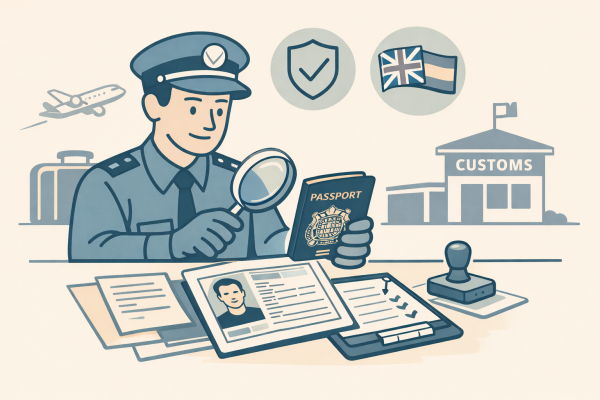
A valid passport is required for removals to and from Spain. Customs authorities use this to confirm the identity of the person responsible for the shipment. A clear copy of the photo page is usually sufficient, but it must match the details on the rest of the paperwork.

At Franklins Removals, we review identification documents early in the booking process so any issues can be resolved long before your belongings reach the border.

passport-proof-of-identity

Proof of Address and Residency

Proof of address helps demonstrate that your move relates to a genuine relocation rather than a commercial shipment. This typically includes documents showing your current address and your destination address.

For moves to Spain, this may involve rental agreements or property purchase documents. Our team advises customers on which documents are most appropriate for their circumstances, helping avoid delays caused by insufficient proof of residency.

Detailed Inventory of Household Goods

An inventory is one of the most important documents for a Spain removal. This is a written record of what is being transported and is reviewed by customs officials as part of the clearance process.

At Franklins Removals, we don’t leave customers to work this out alone. Our team helps structure inventories in a way that reflects what customs officials actually expect to see, reducing the risk of questions or inspections at the border.

A well-prepared inventory will typically include:

  • Clear descriptions of furniture, appliances, and household items
  • Separate listings for high-value or specialist items
  • Grouped categories for personal effects such as clothing and kitchenware
  • Quantities that realistically reflect the size of the shipment

To support this process, we recommend using our volume calculator before your move. By accurately estimating how much space your belongings take up, we can align your inventory with the vehicle capacity and provide a more reliable quote from the outset. This approach helps avoid last-minute changes and keeps your Spain removal running smoothly.

Customs Declarations and Household Goods Relief

Customs declaration forms are required for all removals between the UK and Spain. These confirm whether the goods are personal belongings and whether customs charges apply.

Many household moves qualify for relief from customs charges when items have been owned and used for a minimum period and are being transferred as part of a relocation. Franklins Removals regularly assists customers with the supporting paperwork needed for these claims, reducing the risk of unexpected charges once the shipment reaches Spain.

For removals from Spain back to the UK, export documentation is also required, and we manage this as part of the moving process.

Why Customers Choose Franklins Removals for Spain Moves

Paperwork problems are one of the most common causes of delays in international removals. By choosing Franklins Removals, customers benefit from a team that handles Spain moves routinely and understands how customs processes work in practice.

We check documentation before loading, guide customers through what is required, and remain involved throughout the journey — not just at the point of collection.

Why Customers Choose Franklins Removals for Spain Moves

Planning a Removal To or From Spain?

If you’re preparing for a move between the UK and Spain and want confidence that your paperwork and logistics are handled correctly, speak to Franklins Removals today. Use our volume calculator for a more accurate quote, or get in touch to discuss your Spain removal with a team that manages these moves every week.

Taking the right first step now can make all the difference when moving your life across borders.

Relocating to Spain is an exciting step, whether you’re seeking warmer weather, a slower pace of life, or new work opportunities. Before arranging your move, it’s important to understand the real costs involved and what can influence the final price. International relocations involve more variables than domestic moves, so having accurate information helps you plan with confidence.

Typical Price Range for Moving to Spain​

A standard move from the UK to Spain usually starts from around £1,300 for small part-loads and can reach £7,000+ for larger, full-house moves. The price you pay will depend on the scale of your relocation and the level of service you choose.

For example, individuals moving the contents of a one-bedroom flat often fall at the lower end, while families relocating full homes tend to sit in the mid-to-upper range. A dedicated vehicle, specialist packing, or complex access requirements can increase the total cost, but many people find that the convenience and reduced stress are worth the investment.

What Affects the Cost of Moving to Spain?

Several factors shape the overall cost of your move. While every relocation is unique, there are some consistent considerations that influence the final price.

Size and Volume of Your Belongings

The amount you take is one of the biggest drivers of cost. A minimalist move with a few essential pieces costs far less than transporting an entire home. Franklins Removals measures volume in cubic metres, giving us an accurate understanding of how much space your belongings will require.

Type of Service

Part-load services offer shared space on a vehicle travelling to Spain, making them ideal for smaller moves or those with flexible dates. Dedicated services give you exclusive use of a vehicle. These are often chosen when a quicker turnaround is needed, or when moving a large household.

Distance and Route

Some areas of Spain are easier to reach than others, and routes can vary depending on weather, ferry schedules, and local access restrictions. Moves to popular regions such as Costa del Sol, Alicante, or Valencia often follow established paths, which can help keep costs predictable.

Access at Collection and Delivery

If your property has tight parking, narrow lanes, steep hills, or weight-restricted roads, additional labour or a smaller shuttle van may be required. These logistical challenges can slightly increase the cost due to extra time and handling.

Use Our Calculator for a More Accurate Price

Because so many variables influence the final cost, the most reliable way to get an accurate figure is to use our online moving calculator. The calculator acts as a straightforward form where you tell us your collection address, delivery address, and a few details about your belongings.

Once submitted, our team reviews the information and provides a personalised quotation—not a generic estimate. This helps you understand exactly what your move is likely to cost and makes it easier to plan your budget. It’s especially useful if you’re comparing part-load and dedicated service options or if you’re deciding whether to include packing or storage.

Additional Costs to Consider

Beyond transport itself, you may encounter additional expenses depending on your circumstances:

  • Temporary accommodation if you arrive before your goods
  • Travel arrangements for you and your family
  • Pet relocation services
  • Vehicle transport if you plan to take your car or motorcycle
  • New furniture or appliances for your Spanish home

Including these in your budget helps avoid unexpected surprises once the move begins.

Documents You May Need (and Possible Costs)

Post-Brexit moves from the UK to Spain require additional paperwork. Franklins Removals guides you through each stage so you know what’s needed and when.

Common documents include:

  • Passport copies
  • A full inventory of goods
  • Proof of residence in Spain
  • NIE number or confirmation of your application
  • Customs forms, which we help prepare

Some documents may involve small associated costs, such as:

  • NIE application fees
  • Notary or legal certification for certain documents
  • Translation fees for official paperwork, if required

Preparing these in advance helps keep your move running smoothly.

Why Choose Franklins Removals?

International moving involves far more than simply loading a van. It requires careful coordination, accurate paperwork, trained packing teams, customs awareness, and reliable delivery planning. Choosing a professional removal company with experience in European relocations reduces stress and brings clarity to what might otherwise feel overwhelming.

At Franklins Removals, we have decades of experience helping individuals, couples, and families move to various international countries. Our team handles each move with care and attention, offering reliable guidance from the first enquiry right through to delivery at your new home. Our knowledge of UK–Spain routes, customs requirements, and regional logistics means you can relax knowing your belongings are in trusted hands.

Ready to Begin Your Move to Spain?

Start by using our quick online calculator to get a personalised quote. If you’d like guidance, friendly advice, or help planning your move, contact Franklins Removals today. Take the first step toward your new life in Spain—get in touch now and let’s make your move happen.

Moving house is often described as one of life’s most stressful events. Between organising the logistics, updating utilities, and settling into a new property, the last thing most people want to deal with is the overwhelming task of packing every single item in their home. This is where a professional removals packing service comes in. But is it really worth it? The short answer is yes — and here’s why.

Save Valuable Time and Energy

Packing up a house isn’t something you can do in a couple of hours. It takes days — sometimes weeks — of sorting, wrapping, and boxing. If you’re working, caring for family, or handling other commitments, the time needed for packing can feel impossible to find.

By booking our packing service, you instantly free yourself from this exhausting task. What might take you days or weeks, our trained team can get done in a fraction of the time, allowing you to focus on everything else that matters during your move.

Reduce Stress on Moving Day

Anyone who has moved before knows that packing can quickly become overwhelming. Items get misplaced, boxes get overloaded, and suddenly you’re facing chaos on moving day.

Our team uses a systematic approach, carefully packing each room with the right materials and labelling everything clearly. This organised process makes unloading and unpacking at your new home straightforward and far less stressful.

Professional Packing Means Better Protection

When you pack yourself, it’s easy to underestimate just how much protection your belongings need. Thin cardboard boxes or improvised wrapping might work for some items, but fragile or valuable possessions require specialist materials and handling.

Our removals packing service uses sturdy boxes, protective padding, and industry-standard techniques to keep your belongings safe. From glassware and ornaments to electronics and furniture, every item is treated with the care it deserves. This reduces the risk of damage, giving you peace of mind that your possessions are in safe hands.

Insurance and Accountability

When you pack items yourself, you assume full responsibility if something gets damaged. But with a removals packing service, the responsibility shifts to us. This means that in the unlikely event of damage, your belongings are covered. That added layer of protection gives you confidence that you simply don’t get with DIY packing.

A Smarter Investment Than You Think

Some people hesitate to book a packing service because they see it as an added expense. But when you weigh up the time saved, the stress avoided, and the reduced risk of damage, the value becomes clear. In many cases, a packing service can actually save you money by preventing breakages and cutting down the overall moving time.

So, Is It Worth It?

Absolutely. A removals packing service takes away one of the hardest parts of moving, replacing it with efficiency, organisation, and peace of mind. It’s an investment that pays back in time saved, belongings protected, and stress avoided.

Ready to Make Your Move Easier?

Packing doesn’t have to be the most stressful part of your move. Our expert team can handle everything — from carefully wrapping fragile items to efficiently packing entire rooms.

Explore our packing page to see how we can help you save time, reduce stress, and ensure your belongings are protected every step of the way.

Relocating from the UK to Germany can be one of life’s most exciting steps — whether for work, retirement, family, or a fresh start. But an international move brings plenty of logistics and planning. From paperwork and packing to customs and removals, it’s important to stay organised.

This removals checklist will help ensure you’re fully prepared before you make the big move — with tips tailored specifically for those relocating from the UK to Germany.

1. Check Visa and Residency Requirements

Post-Brexit, British citizens are no longer entitled to freedom of movement within the EU. If you’re planning to live in Germany for longer than 90 days, you’ll need the appropriate visa or residence permit.

To-do:

  • Determine your eligibility based on your purpose for moving (work, family reunification, study, retirement, etc.).
  • Prepare your visa application before departure.
  • Once in Germany, register your residence with the local authority (Anmeldung) as soon as possible.

Allow plenty of time for visa processing and be sure to keep copies of all relevant documentation.

2. Finalise Housing Arrangements

Finding somewhere to live in Germany ahead of time can remove a great deal of stress. If that’s not possible, consider short-term rentals while you find your ideal property.

Top tips:

  • Familiarise yourself with the German rental market and tenancy terms.
  • Many properties come unfurnished — sometimes without even basic kitchen appliances.
  • Ensure your accommodation meets registration (Anmeldung) requirements.

Once you’ve found a place, keep a copy of your lease or purchase contract handy for registration and banking purposes.

3. Gather and Organise Key Documents

An international move requires various documents — both for legal purposes and for your removals company to clear customs on your behalf.

Essentials include:

  • Valid passport
  • Visa or residence permit (if applicable)
  • Proof of address in Germany (e.g., tenancy agreement)
  • Detailed inventory of items being moved
  • Any relevant customs forms
  • Birth/marriage certificates, driving licence, and insurance policies

It’s wise to keep both printed and digital copies accessible during your move.

4. Declutter and Create an Inventory

Moving overseas is an opportunity to reassess what you actually need. The less you bring, the cheaper and easier your move becomes — especially when customs clearance is involved.

Checklist:

  • Sort items into ‘keep’, ‘sell’, ‘donate’, or ‘discard’.
  • Create a full inventory of the items you’re taking.
  • Photograph valuable or delicate items in case of loss or damage.
  • Label boxes with clear descriptions for easy unpacking and customs declarations.

An accurate inventory is also crucial if you’re applying for duty-free import of personal goods under transfer-of-residence relief.

5. Arrange Your Removals with Us

Moving to Germany involves many logistical challenges, from packing and transporting your belongings to handling customs clearance. That’s why it’s important to work with a removals company experienced in UK to Germany relocations. We provide a comprehensive removals service tailored to your needs, including:
    • Expert packing and export wrapping to protect your items
    • Door-to-door delivery anywhere in Germany
    • Assistance with all necessary customs paperwork
    • Options for short- or long-term storage if required
  • Full goods-in-transit insurance for peace of mind
Our team takes care of the entire process, ensuring a smooth and stress-free move. For a personalised quote and more details, visit our Removals UK to Germany page — we’re ready to support you every step of the way.

6. Make Arrangements for Pets

Bringing your pets to Germany? There are specific travel requirements to meet, and they can take time to organise.

You’ll need to:

  • Ensure your pet is microchipped.
  • Have an up-to-date rabies vaccination.
  • Obtain a valid pet travel certificate shortly before departure.
  • Arrange approved travel crates or pet courier services if necessary.

Check if your removals provider can help coordinate pet transport as part of your move.

7. Notify UK Authorities and Service Providers

Before you leave, make sure to inform the relevant organisations and cancel or update your services.

To-do list:

  • Notify HMRC, the DVLA, your local council, and any benefit agencies.
  • Cancel or redirect your utilities, broadband, and subscriptions.
  • Set up Royal Mail redirection for your post.
  • Inform your bank and GP of your new address (if applicable).

Keep a record of these changes, as they can be important for tax, insurance, and pension purposes later on.

8. Research Healthcare Options in Germany

Germany has a dual healthcare system comprising public and private insurance. Health insurance is mandatory, so you’ll need to be covered from the moment you become a resident.

Things to consider:

  • Understand whether you’ll be eligible for public healthcare through your employer.
  • If not, research private health insurance providers.
  • Bring enough of any current prescription medications to cover the first few months.
  • Gather medical records and vaccination history, especially if you’re moving with children.

9. Sort Your Finances and Banking

Banking procedures differ from country to country, and setting up your financial life early will make settling in far easier.

Checklist:

  • Notify your UK bank that you’re moving abroad.
  • Set up online banking access in advance.
  • Consider opening a German bank account.
  • Research international money transfer services for ongoing expenses.
  • Review your pensions, savings, and investments to see how they’ll be affected by your move.

Ready to Make the Move?

Relocating from the UK to Germany doesn’t have to be overwhelming. With the right planning — and the right removals partner — your move can be smooth, efficient, and stress-free.

Let us take care of the logistics so you can focus on your fresh start.

✅ Expert support with packing, customs, and transport
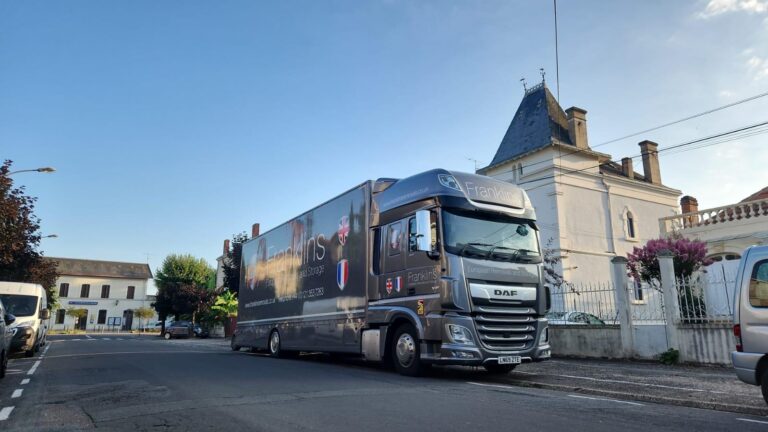
✅ Fully insured, door-to-door European removals
✅ Flexible storage options available

Start your journey today — visit our Removals UK to Germany page for a free, no-obligation quote and personalised advice. We’re here to help you every step of the way.

So, you’re all set to start a new chapter in France. The boxes are packed, the excitement is building, and the croissants are calling. But before your belongings cross the Channel, there’s one important hurdle to clear: customs paperwork.

Moving house within the UK is fairly straightforward, but once you’re heading to France, there’s a bit more admin involved — especially since Brexit. That said, it’s nothing to panic about. In this post, we’ll walk you through the key customs documents you’ll need for your France removal, explain why they matter, and help you avoid any delays at the border.

Why Customs Documents Matter

When you move your household goods from the UK to France, you’re essentially exporting them. That means your belongings will pass through customs and need to be declared properly.

If the paperwork isn’t in order, customs officials have every right to hold up, inspect, or even reject the shipment. And let’s face it — the last thing you want is to arrive in your new French home and discover your furniture’s stuck in Calais.

Since the UK left the EU, it’s now a legal requirement to provide a specific set of documents when moving personal goods into France. These documents prove that the items are yours, that they’re not being sold, and that you’re genuinely relocating.

The Main Documents You’ll Need

When you’re moving with a removals company like us here at Franklins Removals, we’ll help you gather and submit everything correctly. But for your peace of mind, here’s a look at the core customs documents required for a France removal:

1. Copy of Your Passport

This one’s obvious but vital. Customs needs a valid form of ID to confirm who’s relocating. A scan of the main photo page is sufficient.

2. Proof of Entry to France

This could be a copy of your ferry or Eurotunnel ticket, flight confirmation, or similar. It simply proves when and how you’re entering France — and that you are indeed moving, not shipping goods separately.

3. Detailed Inventory in French

Yes, it needs to be in French (not Google Translated, ideally). This document lists everything being transported — from sofas to saucepans — and needs to be reasonably accurate. It doesn’t have to be itemised down to the last spoon, but “10 boxes of kitchenware” won’t cut it either.

4. Proof of Your Move

You’ll also need something to prove your relocation. That could be:

  • A new French rental agreement or property deed
  • A job offer or transfer letter
  • Utility bill in your name at a French address

This evidence ties everything together and shows customs that your move is genuine.

5 Cerfa No. 10070 Déclaration (Déclaration de transfert de résidence)

This is the key customs form that confirms you’re transferring your residence to France. It allows you to bring your personal goods duty-free — as long as they’ve been owned and used by you for at least six months prior to the move.

This form must be signed and accompanied by a declaration on honour (attestation sur l’honneur), confirming:

  • You’re moving permanently to France
  • The items are for personal use, not resale
  • You’ll keep the goods in France for at least 12 months
 

A Quick Word on Timescales

It’s best to start preparing your customs documents at least 2–3 weeks before your move. This gives you and your removals company time to review everything, translate where needed, and submit paperwork in good time.

If you’re wondering how common delays are — according to the UK Federation of International Movers, as many as 1 in 5 post-Brexit international removals have experienced hold-ups due to incomplete or incorrect customs declarations. It’s worth taking seriously.

We’ll Help You Get It Right

Here at Franklins Removals, we’ve helped hundreds of individuals and families make the move to France — from Brittany to Provence and everywhere in between. Our experienced team is fully up to speed on the latest customs rules and will guide you through each step.

We don’t just load the van and wave goodbye — we make sure all paperwork is sorted, translated where needed, and submitted on your behalf. It’s part of why so many of our customers come back to us or recommend us to friends.

One Last Thing

Don’t be tempted to cut corners with your paperwork. Yes, it might seem like a bit of a faff, but getting it right first time makes the move smoother, faster, and far less stressful.

If you’re already booked in with us, feel free to get in touch with any questions — we’re always happy to talk through the customs process.

If you haven’t yet planned your move and are curious about the full service, visit our France Removals page to see how we can help.

Ready to Get Started?

Whether you’re still researching or already packing, we’re here to make your move to France as straightforward as possible. Speak to one of our friendly team members today and let’s make your relocation a reality — without the customs headaches.

Got questions? We’ve got answers. Give us a ring or drop us a message — we’d love to hear from you.

Moving to France sounds like a dream to many. The idea of a new life in the French countryside, with fresh croissants and picturesque views, is very tempting. But before you pack your bags, one big question often pops up: How much will it cost to move to France? Let’s break it down in simple terms.

How Much Does a Typical Move Cost?

On average, moving a three-bedroom home from the UK to France might cost anywhere between £3,000 and £7,000. This depends on the size of your move and the services you choose.

Smaller moves, like a one-bedroom flat, could be closer to £1,500 to £3,000. Bigger moves with lots of furniture and special items will cost more.

Keep in mind that these are just rough figures. Every move is unique, so prices can be quite different.

What Affects the Cost of Moving to France?

Moving costs can vary a lot. It depends on where you are moving from, what you are taking with you, and how you want to move. For example, moving a small flat is different from moving a large house full of furniture.

Your location matters too. Moving from London to Paris will be different from moving from Manchester to a small village in Provence. Distance plays a big role in the price.

Also, think about how you want your belongings moved. Do you want a full removal service where everything is packed and handled for you? Or are you planning a DIY move where you pack yourself and just hire a van? Full services cost more but take the stress away.

What Are the Main Cost Factors?

Distance and Route

The further you move, the more you pay. Moving from the south of England to northern France will usually be cheaper than moving from northern England to the south of France because of the route and travel time.

Amount of Stuff

More items mean more space in the van and more packing materials. It’s simple – the more you take, the higher the cost.

Packing and Handling

If you want the removal company to pack your things, it adds to the price. Packing takes time and skill, especially for fragile items like glass or antiques.

Insurance

Moving your belongings over long distances has risks. Insurance can cover damage or loss, but it adds to the overall cost. It’s worth thinking about because peace of mind is priceless.

What About Additional Costs?

Moving costs don’t just include the removal van. You might need to pay customs fees, especially if you have pets or certain goods. Also, once you arrive, you might have to pay for storage if your new home isn’t ready. There might be costs for setting up utilities or cleaning the old home.

How Can I Get a More Accurate Price?

Every move is different. To get a price that fits your exact needs, it’s best to give removal companies as much information as possible.

We at Franklins Removals have a handy calculator and form on our website. By filling these out, you can tell us what you want to move, where from and to, and any special needs you have. This helps us give you a clearer, more accurate quote.

Using the calculator is simple and quick. It means no surprises later on.

If you’re curious to find out more, check out our dedicated France Removals page for details about moving to France with us.

Why Choose a Professional Removal Company?

Moving abroad is not just about transport. It involves paperwork, timing, and special care for your belongings. Professionals know the best routes, the customs rules, and how to pack fragile items safely.

They can take care of the tricky bits so you don’t have to stress.

Did You Know?

Around 150,000 British people move abroad every year, and France is one of the most popular spots. Many find moving easier and more affordable with professional help.

What Documents Will I Need for Moving to France?

You will need a valid passport, visa (if required), and proof of residency in France. Also, paperwork for your belongings, especially if you are bringing pets or valuable items.

Make sure to check the latest rules before you move.

Ready to Make Your Move?

Moving to France is an exciting adventure. Don’t let worries about cost hold you back. If you want a stress-free move, get in touch with Franklins Removals. For a precise price, try our removal calculator and fill in the form on our website. This way, we can give you a tailored quote that fits your needs. We’re here to help make your dream move a reality.